

 Shop
ShopThe Psychology of Wearing Cute Clothes
Why putting on something adorable actually changes how you feel
There is a reason you feel different when you slip into your favorite pajamas. It is not just comfort. It is not just routine. Something shifts in your brain the moment you put on a piece of clothing that makes you smile. And that reaction is not random. It is rooted in real psychology.
The idea that clothes affect mood and behavior is well documented. Researchers call it “enclothed cognition,” a term that describes how the garments we wear influence our thoughts, feelings, and even performance. But here is the part most people overlook: it is not just about wearing a sharp blazer to a job interview or sneakers to the gym. The emotional impact of clothing goes much deeper than that, and it has everything to do with why cute clothes hit differently.
The Science Behind the Smile
Let us start with the basics. When you see something cute, a small animal, a baby, a cartoon character with big eyes, your brain releases dopamine. This is the same neurotransmitter associated with pleasure, reward, and motivation. Studies from the National Institutes of Health have shown that viewing “cute” stimuli triggers activity in the brain’s reward center, the same area that lights up when you eat chocolate or receive a compliment.
Now take that reaction and apply it to clothing. When you wear something adorned with a beloved character, a playful pattern, or a soft pastel palette, you are essentially giving yourself a small dopamine boost every time you glance down or catch your reflection. It is a micro-moment of joy that repeats throughout the day without any effort on your part.
This is not vanity. It is neuroscience working in your favor.
Why “Cute” Hits Harder Than “Stylish”
Fashion psychology often focuses on how clothes signal status or competence. A well-tailored suit communicates authority. A sleek dress suggests sophistication. Those are real effects, but they operate on a social level. They are about how others perceive you.
Cute clothes work on a personal level. They are not about impressing anyone else. They are about how you feel inside your own skin. There is a distinction between wearing something because it looks impressive and wearing something because it makes your heart feel a little lighter. Both are valid. But the second one is more sustainable.
Think about the last time you wore an outfit purely because it made you happy. Maybe it was a pair of pajama pants covered in your favorite character. Maybe it was a hoodie with a silly graphic. Whatever it was, you probably noticed that your mood shifted. You felt more relaxed, more playful, more like yourself. That is the psychology of cute clothes in action.
Comfort and Identity
There is another layer to this that goes beyond dopamine. Clothing is one of the primary ways we express identity. The things we choose to wear tell a story about who we are, what we value, and what brings us joy. When you choose to wear something cute and unapologetically playful, you are making a statement to yourself first and foremost. You are saying, “I like things that are fun. I do not need to take myself too seriously all the time.”
This matters more than people realize. Adults spend so much of their lives performing competence and maturity that they sometimes forget how to simply enjoy things. Wearing cute clothes is a small act of rebellion against that pressure. It is a way to keep a part of yourself that is playful and curious alive, even on the most mundane Tuesday afternoon.
And here is the thing: that rebellion has measurable benefits. Research published in the journal Health Psychology found that people who felt comfortable and happy in their clothing reported lower levels of stress throughout the day. The effect was not about the clothes themselves being magic. It was about the wearer feeling authentic and at ease.
The Role of Nostalgia
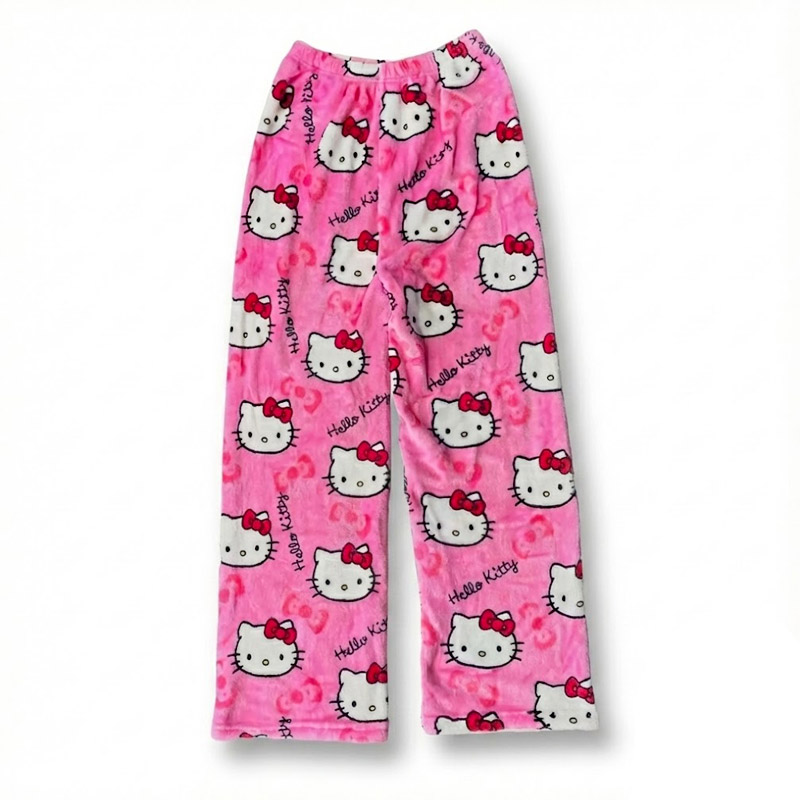
Many of the most popular cute clothing items feature characters and designs from childhood. Hello Kitty, for example, has been around since 1974. For millions of adults, she represents a direct connection to simpler times. When you wear a pair of Hello Kitty pajama pants, you are not just wearing pants. You are wearing a piece of your own history.
Nostalgia is a powerful psychological tool. Studies have shown that nostalgic feelings increase feelings of social connectedness, reduce loneliness, and even improve physical health markers like blood pressure and immune response. Clothing that triggers nostalgia gives you access to those benefits on a daily basis, without requiring any special effort or ritual.
It is one reason why the “kidult” market, products aimed at adults that reference childhood interests, has exploded in recent years. Adults are not being immature. They are being intentional about the emotional environment they create for themselves.
How to Use This to Your Advantage
Understanding the psychology of cute clothes is not just interesting. It is practical. Here are a few ways you can put this knowledge to work in your daily life.
Start your day with something that makes you smile. Whether it is a pair of patterned pajamas you put on first thing in the morning or a fun accessory you grab on your way out the door, choosing something cute as part of your morning routine can set a positive emotional tone for the hours ahead.
Do not save the good stuff for later. Many people have cute clothes sitting in drawers, waiting for a special occasion that never comes. Wear them now. The psychological benefits of cute clothing are not reserved for weekends or vacations. They work just as well on a random Wednesday.
Let your environment match your mood. This is where pairing cute clothing with a cozy space really amplifies the effect. If you are winding down for the night, putting on soft, playful pajamas while settling into a comfortable space creates a feedback loop of relaxation and joy. For more ideas on building that kind of routine, check out our guide on A Self-Care Night Routine with Kawaii Pajamas.
Give yourself permission. One of the biggest barriers to wearing cute clothes as an adult is the internal voice that says it is silly or childish. That voice is wrong. Adults who give themselves permission to enjoy playful, aesthetically pleasing things report higher life satisfaction and lower rates of burnout. You do not need to justify your choices to anyone.
Surround yourself with people who get it. Community matters. When you are around others who share your appreciation for cute, fun, or whimsical things, the positive effects multiply. It is one reason online communities dedicated to kawaii culture and character merchandise have become so active and supportive.
It Goes Beyond Fashion
The psychology of wearing cute clothes touches on something larger than just what hangs in your closet. It is about the relationship you have with yourself. Every choice you make about how you present yourself to the world is also a choice about how you treat yourself. Choosing something that brings you joy, comfort, and a sense of play is not trivial. It is a form of self-care that requires almost no effort but delivers real results.
In a world that constantly demands productivity, seriousness, and self-optimization, wearing cute clothes is a quiet reminder that you are allowed to enjoy the process of being alive. You are allowed to like things simply because they make you happy. And if a pair of fuzzy pajama pants with your favorite character on them is what brings that happiness, then that is exactly what you should reach for.
For more on why this kind of joy matters, especially for grown women who love characters like Hello Kitty, take a look at Why Adult Women Love Hello Kitty (And Why That’s Normal).
Products to Check Out
Frequently Asked Questions
Is there actual science behind why cute clothes improve mood?
Yes. Enclothed cognition is a real area of study in psychology. Research shows that the clothes you wear can influence your cognitive processes and emotional state. Cute designs trigger dopamine release in the brain’s reward center, which directly affects mood and motivation.
Is it weird for adults to wear cute clothes?
Not at all. Adults who engage with cute or nostalgic aesthetics often report higher levels of well-being and lower stress. The “kidult” market has grown significantly because more adults are recognizing the value of incorporating playfulness into their daily lives. It is a healthy form of self-expression.
How do cute clothes reduce stress?
When you wear something that feels comfortable and brings you joy, your body responds with lower cortisol levels and a more relaxed physiological state. The combination of physical comfort and emotional pleasure creates an environment where stress has a harder time taking hold.
Can wearing cute pajamas really improve my bedtime routine?
Absolutely. Putting on pajamas you love signals to your brain that it is time to transition from the active part of your day to rest. When those pajamas are also soft, comfortable, and visually pleasing, the transition becomes smoother and more enjoyable. Pairing them with other relaxing habits, like reading or gentle stretching, amplifies the effect.
Where can I find cute pajama pants for adults?
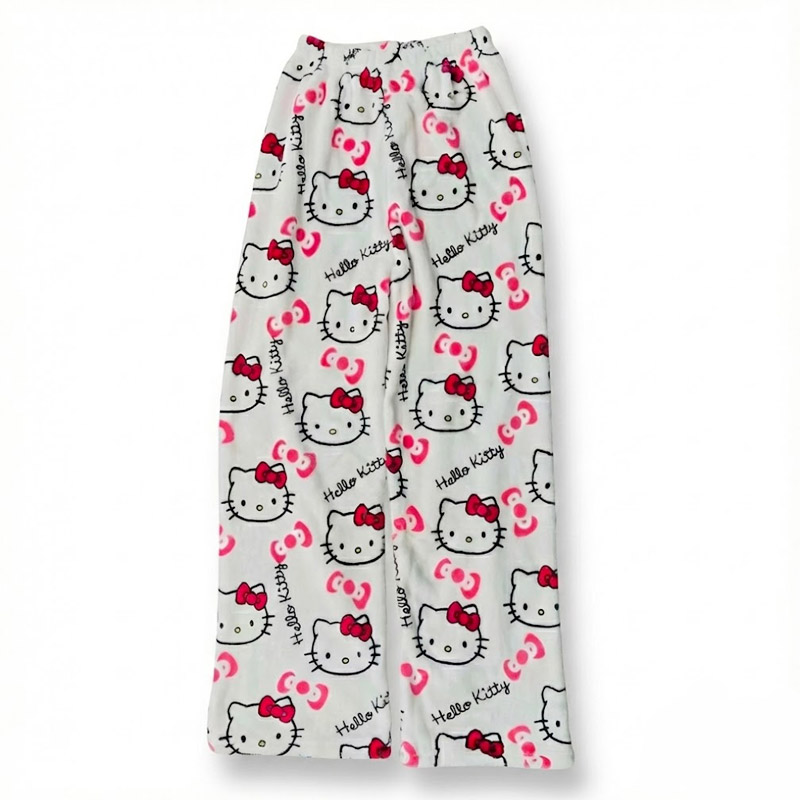
You can browse our full collection of Hello Kitty pajama pants right here on the site. We carry multiple styles, colors, and sizes designed specifically for adults who want comfort without sacrificing the fun factor.