


 Shop
ShopThat Moment When You Pick the Wrong Pajama Pants
You know the feeling. You grab a pair of pajama pants off the shelf, they look cozy enough, and you bring them home. Then midnight hits, and you are either roasting alive or shivering under a thin layer of fabric that feels like wearing a paper bag. Getting the right pajama material is not just about comfort. It is about sleep quality, temperature regulation, and whether you actually want to put those pants on again tomorrow night.
When it comes to fleece versus flannel, both have loyal fans. Both have real strengths. But they work best in different situations, for different body types, and in different climates. This guide breaks down exactly what each fabric offers so you can stop guessing and start sleeping better.
What Exactly Is Fleece?
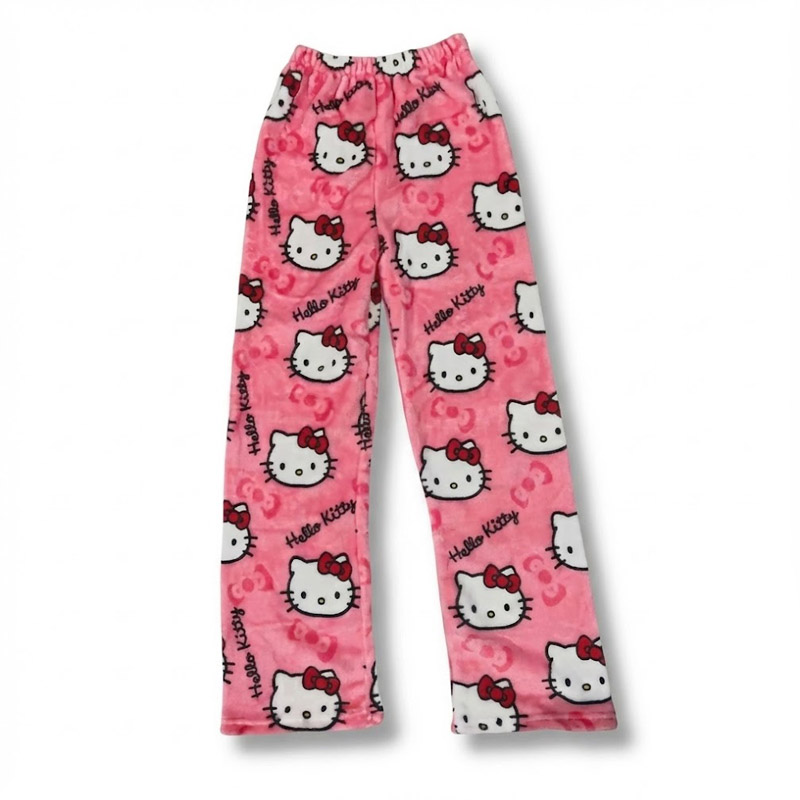
Fleece is a synthetic fabric, usually made from polyester. It was originally developed in the late 1970s as a lightweight alternative to wool. The material is brushed to create a thick, plush pile that traps air between the fibers. That trapped air is what gives fleece its signature warmth without heavy weight.
Modern fleece comes in different weights. Microfleece is thin and smooth, great for layering. Midweight fleece is what most pajama pants use. Heavyweight fleece is the stuff that feels like wearing a blanket. For pajamas, midweight hits the sweet spot between warmth and breathability.
What About Flannel?
Flannel is a woven fabric, traditionally made from wool but now most commonly found in cotton. It gets its softness from a brushing process called napping, which raises the fibers on one or both sides of the fabric. The result is a material that feels warm to the touch right away, unlike some fabrics that need your body heat to warm up first.
Cotton flannel is the version most people know from classic plaid pajama sets. It breathes better than fleece because cotton naturally allows air and moisture to pass through. This makes flannel a solid pick for people who run hot but still want that cozy feeling when they climb into bed.
Warmth: Which One Actually Keeps You Warmer?
Fleece wins on raw heat retention. The synthetic fibers are engineered to trap warmth, and they do it well. If you live somewhere with harsh winters or your house runs cold, fleece pajama pants will keep your legs toasty without needing extra layers.
Flannel is warm, but not as warm as fleece. It provides a comfortable level of heat that works well in mildly cool conditions. For fall evenings, spring mornings, or climates where winter is more damp than freezing, flannel keeps you comfortable without overheating.
The honest answer? If your bedroom drops below 60 degrees at night, go fleece. If you keep your thermostat around 65 to 70, flannel will feel just right.
Breathability and Moisture
This is where flannel pulls ahead. Cotton flannel absorbs moisture and lets it evaporate. Your skin can breathe. If you tend to sweat at night, flannel will not trap that moisture against your body.
Fleece, being polyester, does not absorb moisture the same way. It wicks it to the surface, which is great for outdoor gear but less ideal for sleepwear. Some people find that fleece pajama pants make their legs feel clammy after a few hours. Others never notice. It depends on how much you sweat and how warm your room gets.
Softness and Feel
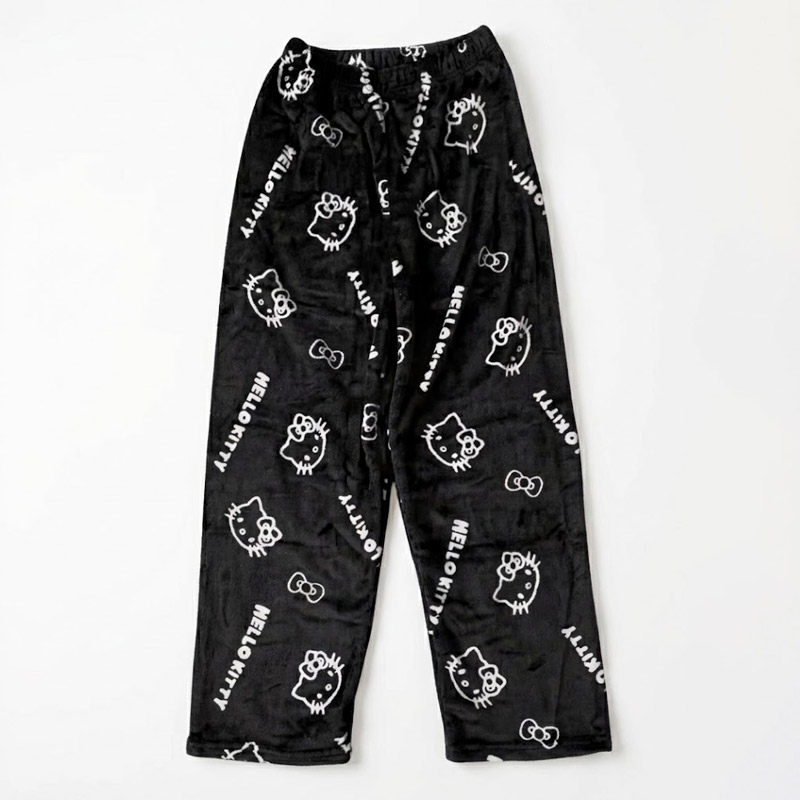
Both fabrics are soft, but in different ways. Fleece has a plush, almost stuffed-animal quality. It feels thick and pillowy. Flannel has a brushed, buttery softness that is more like a worn-in t-shirt. Neither is objectively better. It comes down to personal taste.
One thing worth noting: fleece stays consistently soft over time. Cotton flannel can pill after many washes, especially lower-quality versions. If you want pajama pants that feel the same on wash 100 as they did on wash 1, fleece has the edge there.
Durability and Care
Fleece is low-maintenance. Toss it in the wash, tumble dry, done. It does not shrink. It holds its shape. The color stays put. For anyone who does not want to think about laundry instructions, fleece is the easier option.
Flannel needs a bit more attention. Cotton flannel can shrink if you wash it in hot water or dry it on high heat. Cold wash and low dry is the way to go. Over time, the napped surface can wear down, making the fabric thinner. High-quality flannel lasts longer, but it usually costs more upfront.
Price Comparison
Generally, fleece pajama pants cost less than comparable flannel options. Polyester is cheaper to produce than cotton, and that savings usually shows up at checkout. You can find quality fleece pajama pants in the $20 to $30 range. Flannel tends to start around $25 and can climb higher for premium cotton.
That said, price alone should not drive the decision. A $25 pair of fleece pants that makes you sweat all night is not a better deal than a $30 pair of flannel that lets you sleep comfortably.
Which Should You Choose?
Here is a quick way to decide:
- Go with fleece if you live in a cold climate, sleep in a cool room, want maximum softness, or hate dealing with fussy laundry care.
- Go with flannel if you run warm at night, prefer natural fabrics, live in a moderate climate, or want pajamas that breathe better.
- Get both if you want the right pair for every season. Fleece for deep winter, flannel for the rest of the year.
If you want to go deeper on materials including fuzzy options, check out our complete pajama material comparison guide. And if you are building a whole self-care routine around your sleepwear, our kawaii self-care night routine has you covered.
Products to Check Out
Hello Kitty Fleece Pajama Pants – $24.99
Hello Kitty PJ Pants Fuzzy – $24.99
Frequently Asked Questions
Is fleece or flannel better for summer?
Neither is ideal for hot summer nights, but flannel is the better pick if you must choose. Its cotton fibers allow more airflow than fleece. For truly warm weather, consider lightweight cotton or bamboo pajama pants instead.
Does fleece pill like flannel?
Fleece can pill, but it tends to hold up better than cotton flannel over many wash cycles. Higher-quality fleece resists pilling longer. If pilling bothers you, look for anti-pill fleece specifically.
Can you wear fleece pajama pants if you have sensitive skin?
Most people with sensitive skin do fine with fleece since it is hypoallergenic polyester. However, some people find synthetic fabrics irritating. If that is you, opt for cotton flannel or look for fleece with a smooth microfleece lining.
How long do fleece pajama pants typically last?
With regular wear and standard washing, good fleece pajama pants last two to three years before the fabric starts thinning. Flannel tends to last one to two years with regular use, depending on the quality of the cotton and how you care for it.
Are fleece pajama pants bad for the environment?
Fleece is made from polyester, which is a plastic-based material. It does shed microfibers during washing. Flannel made from organic cotton is the more eco-friendly choice. Some brands now offer recycled fleece, which helps reduce the environmental impact.