


 Shop
ShopFleece vs Flannel vs Fuzzy: Which Pajama Material Is Best?
You stand in the pajama aisle, or maybe you’re scrolling through an online store, and you see three words repeated everywhere: fleece, flannel, and fuzzy. They all sound cozy. They all promise warmth. But they are not the same thing, and picking the wrong one for your needs can mean waking up sweaty at 2 a.m. or shivering under a thin blanket.
Understanding what each material actually is, how it feels, and when it works best is the difference between pajamas you tolerate and pajamas you never want to take off. This guide breaks down all three, compares them side by side, and helps you figure out which one deserves a spot in your drawer.
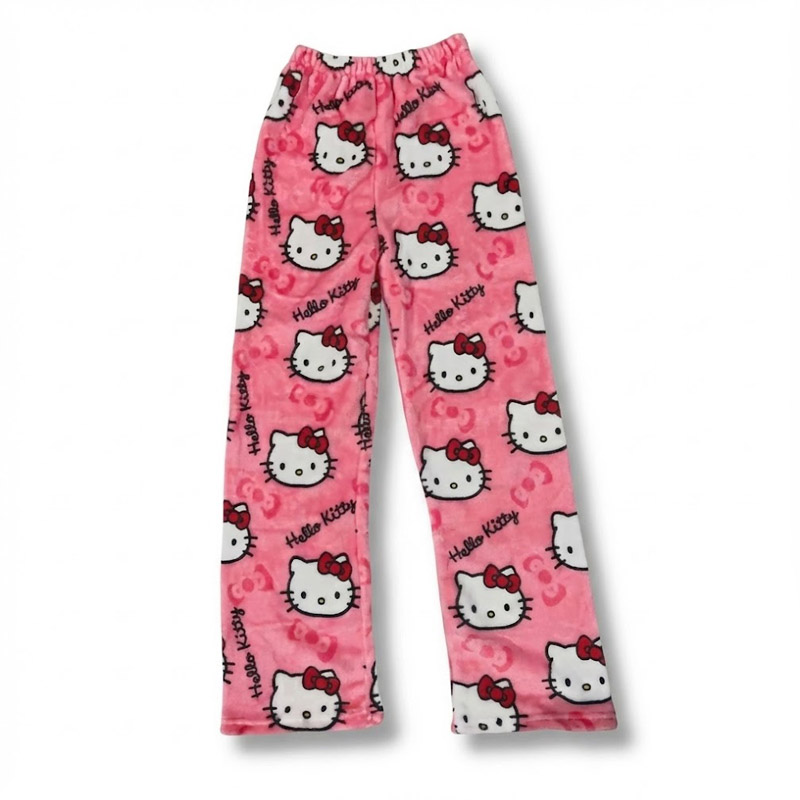
Fleece pajama pants are warm, lightweight, and incredibly soft against the skin.
What Fleece Actually Is (And Why People Love It)
Fleece is a synthetic fabric, usually made from polyester. It was originally developed as a lightweight alternative to wool, and it keeps that identity today. The fibers are brushed to create a soft, napped surface that traps air close to your body. That trapped air is what makes fleece so warm without being heavy.
The biggest advantage of fleece pajamas is warmth-to-weight ratio. A pair of fleece pajama pants weighs almost nothing but keeps you genuinely warm on cold nights. They dry quickly, resist moisture, and hold up well in the washing machine. If you live somewhere with real winters, fleece is often the first choice for a reason.
The downside? Fleece can trap heat too well. If you sleep warm or live in a mild climate, fleece pajamas might feel like wearing a sleeping bag. They also tend to pick up lint and pet hair more than other materials, and cheaper fleece can pill after a few washes.
Flannel: The Classic That Earned Its Reputation
Flannel has been around far longer than fleece. Originally made from wool, modern flannel is typically cotton or a cotton blend that has been woven loosely and then brushed on one or both sides. That brushing raises the fibers and creates the signature soft, slightly fuzzy texture that makes flannel feel broken-in from the first wear.
Flannel pajamas breathe better than fleece. The cotton content allows air to circulate, which means you get warmth without the greenhouse effect. This makes flannel a stronger choice for people who run warm at night or for transitional seasons like fall and spring when it is chilly but not freezing.
The other thing flannel has going for it is durability. A good pair of flannel pajama pants gets softer with every wash instead of degrading. They can last for years. The trade-off is that flannel is heavier than fleece and takes longer to dry. It also wrinkles more easily, though most people could not care less about wrinkles in their sleepwear.
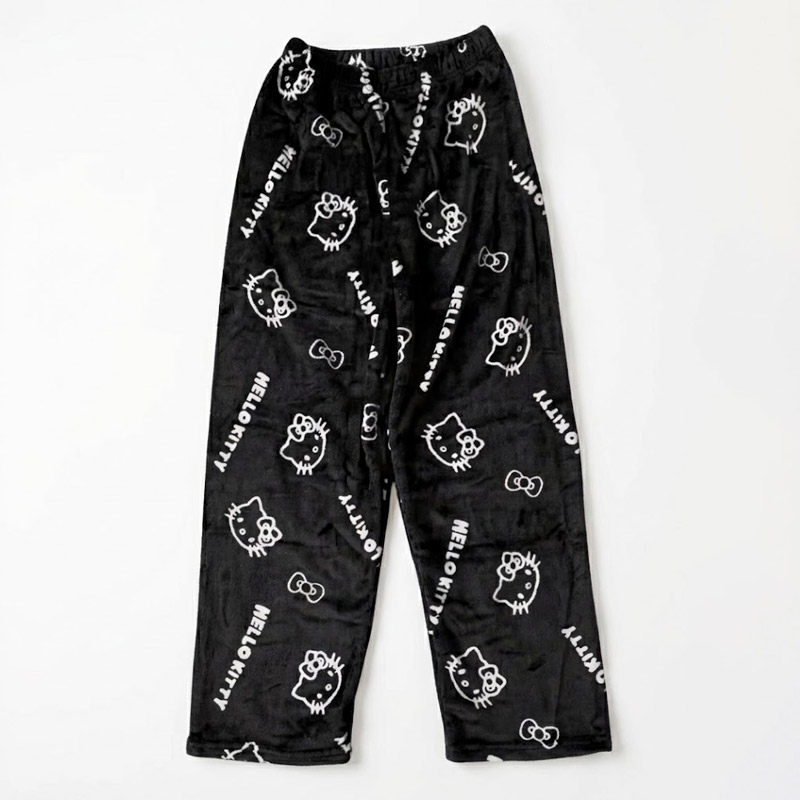
Fuzzy pajama pants are all about that plush, cloud-like feel against your skin.
Fuzzy Pajamas: The Texture-First Choice
Fuzzy pajamas are a bit of a catch-all category. They are usually made from materials like microfiber, plush polyester, or sherpa-style fabrics. The defining trait is not the fiber composition but the feel: soft, pillowy, and almost cloud-like. If you have ever picked up a plush blanket and wished it came in pant form, fuzzy pajamas are the answer.
Fuzzy materials prioritize comfort and tactile pleasure over technical performance. They are not as warm as fleece in extreme cold, and they do not breathe as well as flannel. What they do is feel amazing. For lounging around the house on a lazy Sunday, fuzzy pajamas are hard to beat.
The main drawback is longevity. Fuzzy fabrics can mat down over time, especially in high-friction areas like the inner thighs. They also shed more than fleece or flannel and may require gentler washing to maintain their texture. That said, the price point on fuzzy pajamas is usually lower, so replacing them every couple of years is not a major investment.
Side-by-Side: How They Compare
Here is a quick breakdown of where each material excels and where it falls short.
Warmth: Fleece wins for cold nights. Flannel sits in the middle, providing consistent warmth without overheating. Fuzzy is warm but not as insulating as fleece in low temperatures.
Breathability: Flannel leads here. The natural cotton fibers let moisture and heat escape, making it the most comfortable option for people who sleep warm. Fleece and fuzzy both trap more heat.
Softness: Fuzzy is the softest out of the box. Fleece is close behind. Flannel starts slightly textured and softens significantly over time.
Durability: Flannel lasts the longest, getting better with age. Fleece holds up well but can pill. Fuzzy is the least durable and may mat or thin out after regular use.
Drying speed: Fleece dries fastest. Fuzzy is second. Flannel takes the longest due to its cotton content.
Pet hair resistance: Flannel handles pet hair best. Fleece attracts it. Fuzzy is somewhere in between.
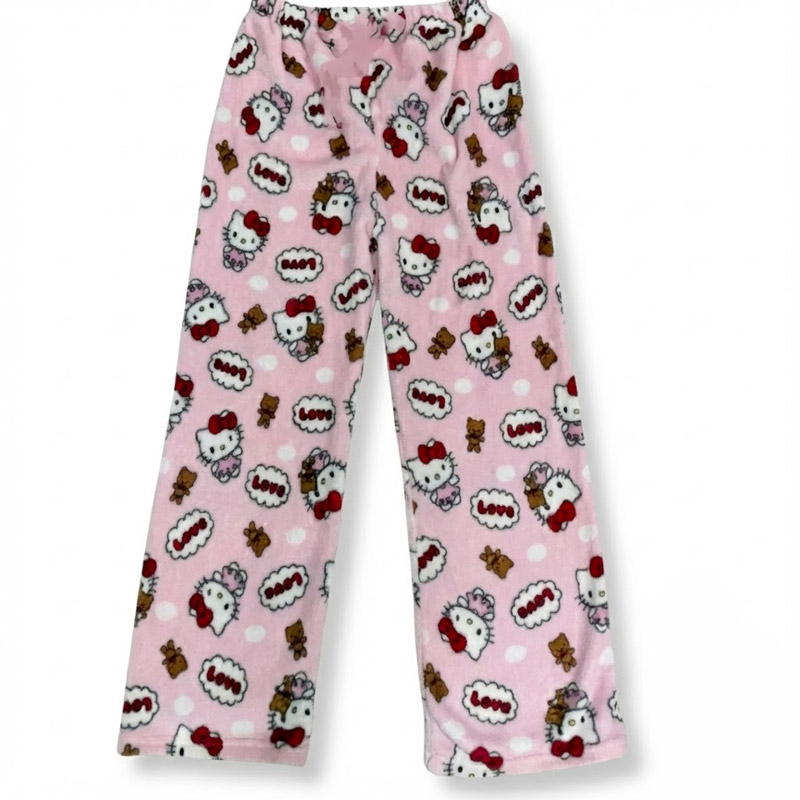
Fluffy pajama pants combine warmth and softness for the ultimate comfort experience.
Which Material Fits Your Sleep Style?
Choosing between fleece, flannel, and fuzzy comes down to three things: your climate, your body temperature at night, and what you prioritize in comfort.
If you are someone who gets cold easily and wants maximum warmth with minimal weight, fleece is the way to go. It is practical, performs well, and the Hello Kitty Fleece Pajama Pants prove that functional sleepwear can still look great.
If you sleep warm or live somewhere with mild winters, flannel gives you that cozy feeling without cooking you alive. It is the Goldilocks option, and for a lot of people, it ends up being the pajama they reach for most often.
If comfort is your number one priority and you want that “wrapped in a cloud” feeling every time you put your pajamas on, fuzzy is calling your name. Pair them with a good blanket and you have a recipe for the best night’s sleep of your life. The Hello Kitty PJ Pants Fuzzy are a solid pick if this is your category.
And for those who cannot decide, there is nothing wrong with owning all three. A rotation of different materials throughout the week keeps things comfortable no matter what the weather is doing outside. The Fluffy Hello Kitty Pajama Pants work beautifully as an in-between option for nights when you want plush softness without full fleece-level warmth.
Caring for Each Material
Fleece: Machine wash cold, tumble dry low. Avoid fabric softener because it clogs the fibers and reduces warmth. Do not iron.
Flannel: Machine wash warm or cold, tumble dry medium. It can handle more heat than fleece but benefits from a lower drying setting to prevent shrinkage. Ironing is optional but unnecessary for sleepwear.
Fuzzy: Machine wash cold on a gentle cycle, tumble dry low or air dry. The gentler treatment preserves the plush texture for longer. Avoid high heat, which can mat the fibers.
Products to Check Out
Fluffy Hello Kitty Pajama Pants
The perfect middle ground between plush softness and everyday warmth.
All ship free and come in a range of sizes.
Frequently Asked Questions
What is the warmest pajama material?
Fleece is generally the warmest of the three because its synthetic fibers trap air efficiently, creating an insulating layer around your body. It is the top choice for cold climates or anyone who tends to feel chilly at night.
Are flannel pajamas good for summer?
Flannel is better suited for cooler weather than summer. While it breathes better than fleece, the brushed texture still provides more warmth than you probably want in hot months. For summer, lighter cotton or bamboo fabrics are a better fit.
Do fuzzy pajamas lose their softness?
Over time, yes. Fuzzy fabrics can mat down with repeated washing and wear, especially in areas that experience friction. Washing on a gentle cycle with cold water and avoiding high heat in the dryer helps preserve the texture longer.
Can you machine wash fleece pajamas?
Absolutely. Fleece is machine washable and dries quickly. Use cold water and skip the fabric softener, which can coat the fibers and reduce their ability to insulate. Tumble dry on low or hang to dry.
Which pajama material is best for sensitive skin?
Flannel made from 100 percent cotton is usually the gentlest option for sensitive skin because it is a natural fiber. Fleece and fuzzy materials are synthetic and can occasionally cause irritation in people with very reactive skin, though high-quality versions are generally well tolerated.