

 Shop
ShopSanrio’s 50th Anniversary: What’s Next for the Brand?
Fifty years. That is a long time for any company to stay relevant, let alone one that built its empire on a cartoon cat with no mouth. Sanrio turned 50 in 2022, and instead of fading into the background like so many nostalgia brands do, it has been surging harder than ever. Collaborations with luxury fashion houses, viral TikTok moments, and a new generation of fans who discovered Hello Kitty through their parents all point to one thing: this brand is not slowing down.
So what happens next? A half-century milestone is not just a party. It is a turning point. Companies either lean into what got them there or chase trends and lose their identity. Sanrio seems to know exactly which path it is on. Here is a look at where the brand has been, what the 50th anniversary revealed, and what we can expect going forward.
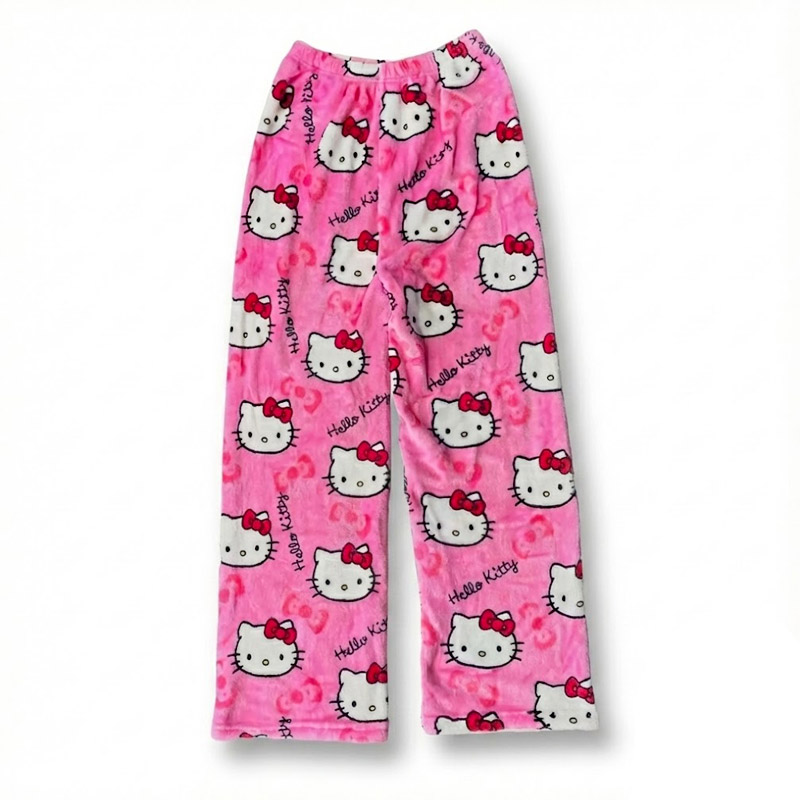
Hello Kitty remains the face of the brand five decades in.
A Quick Look Back at Sanrio’s Origins
Shintaro Tsuji founded Sanrio in 1960 as the Yamanashi Silk Company, selling silk ties and small gifts. The rebrand to Sanrio came in 1973, and the name itself hints at the company’s global ambitions. Hello Kitty arrived in 1974, designed by Yuko Shimizu, and within a few years the character was everywhere: stationery, backpacks, lunch boxes, keychains. The genius was not just the design. It was the licensing model. Tsuji understood that people do not just want a product. They want a feeling attached to it.
By the 1980s, Sanrio had expanded well beyond Japan. Hello Kitty became a cultural export, carried by waves of American and European kids who saw her on everything from watches to thermoses. The brand added more characters over the years. My Melody arrived in 1975, Keroppi in 1988, and Cinnamoroll in 2001. Each one was designed to fill a slightly different emotional niche. Sanrio was not just selling cute. It was curating personalities that people could project onto.
The 50th Anniversary Was More Than a Celebration
When Sanrio hit its 50th, the company did not just throw a gala and call it a day. It treated the milestone as a brand reset. There was a massive push into collaborations that reached audiences Sanrio had never tapped before. The most notable was the partnership with Tiffany and Co., which put Hello Kitty on silver charms and pendants that sold out almost instantly. That was not a toy store product. It was a statement that Sanrio could play in the luxury space without losing its soul.
There was also the McFlurry collaboration with McDonald’s in Japan, limited-edition clothing lines with Uniqlo, and a wave of pop-up stores in major cities worldwide. Each of these partnerships shared a common thread: Sanrio was not just licensing the character. It was co-creating products that felt authentic to both brands. That approach is harder than slapping a logo on a mug, and it is exactly what keeps the brand from feeling dated.
On the digital side, the anniversary pushed Sanrio deeper into gaming and social media. The Sanrio characters showed up in Animal Crossing, Fortnite skins were teased, and the brand’s TikTok presence exploded. Hello Kitty content regularly pulls millions of views, and not just from nostalgia-seekers. A whole generation of teenagers and young adults who were not alive when the character debuted now identify with the aesthetic.
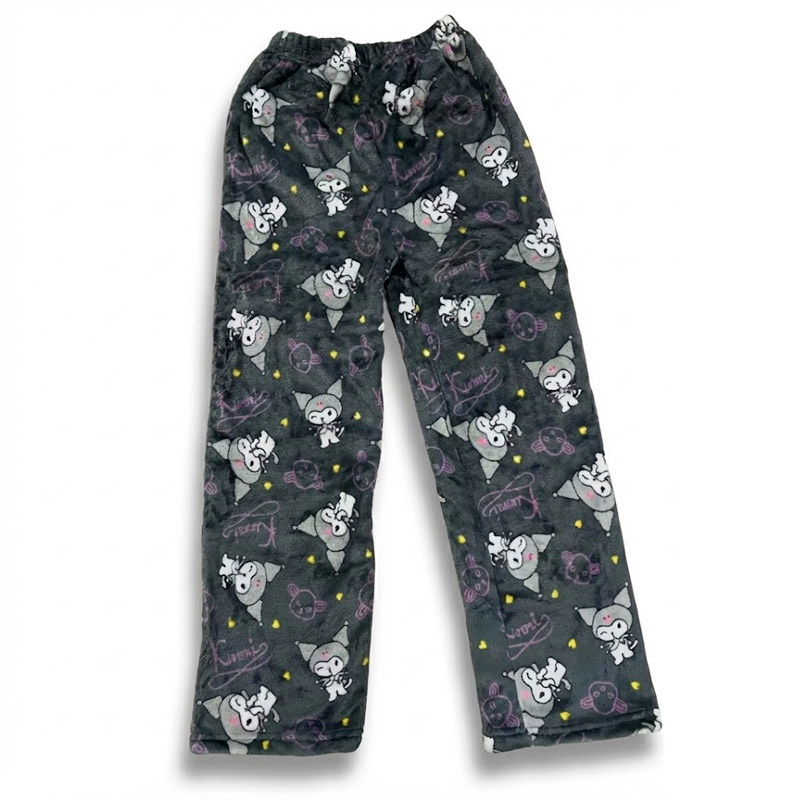
Kuromi has become one of Sanrio’s fastest-rising characters in recent years.
What Sanrio’s 50th Taught Us About the Brand’s Future
Two big patterns emerged from the anniversary year. First, Sanrio is not afraid to grow up with its audience. The brand has always skewed young, but the collaborations signal that it wants to be a lifestyle brand, not just a children’s brand. Adults who grew up with Hello Kitty are now in their 30s and 40s, and they still buy the products. The difference is that now they want higher-quality versions of the things they loved as kids. Pajama pants, tote bags, phone cases, home decor. The product category has expanded, and the price points have too.
Second, Sanrio is leaning hard into its character roster, not just Hello Kitty. Kuromi has been the breakout star of the last few years, thanks to her rebellious personality and the pastel goth aesthetic that took over social media. My Melody continues to be a consistent seller. Cinnamoroll won the Sanrio Character Ranking in 2022 for the first time, breaking Hello Kitty’s streak. This diversification matters because it means the brand is not dependent on a single character. If one character fades in popularity, others are ready to step up.
Where Does Sanrio Go from Here?
The smart money is on Sanrio expanding in three directions: digital experiences, global retail, and deeper fashion collaborations. On the digital side, expect more integrations with popular games, possible NFT experiments (the brand tested the waters before), and a stronger push into streaming. Sanrio has its own YouTube channel and has been producing animated content. A full series or movie on a major platform feels like the next logical step.
Retail is another growth area. Sanrio has been opening larger, experience-driven stores that go beyond the traditional gift shop model. Think interactive photo areas, character-themed cafes, and limited-edition merchandise that you can only get in-store. These destinations turn shopping into an event, and they perform well on social media, which creates a flywheel of free marketing.
Fashion collaborations will probably keep getting bolder. The Tiffany partnership showed that there is demand for Sanrio in spaces traditionally associated with adult luxury. Streetwear brands, beauty companies, and home goods designers are all fair game. The key will be maintaining quality and authenticity. Sanrio has made missteps before with over-licensing, flooding the market with cheap products that dilute the brand. The 50th anniversary suggests the company has learned that lesson.
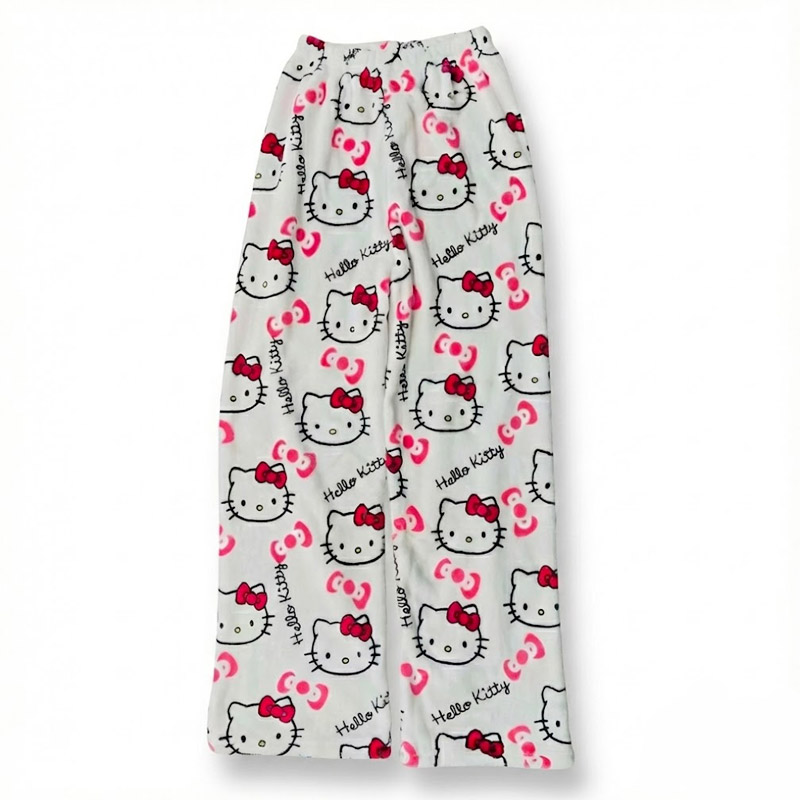
Lifestyle products like pajama pants keep the brand in everyday spaces.
Why the 50th Anniversary Matters for Fans and Collectors
If you are into Sanrio merchandise, the 50th anniversary was a golden window. Limited-edition items from that year tend to hold their value, especially the high-end collaborations. The Tiffany pieces, the McDonald’s Japan collectibles, and the anniversary-exclusive plush toys are all items that resellers track closely. But beyond the investment angle, the anniversary reminded people why they connect with these characters in the first place.
Sanrio’s core idea has always been small gifts, big smiles. That phrase, which Tsuji used early on, still drives the company. The products are not supposed to be grand gestures. They are the little things you give someone to say “I was thinking of you.” A pair of pajama pants with a character your friend loves. A keychain that makes someone smile at their desk. A blanket that feels like comfort on a tough day. That emotional connection is what has kept Sanrio relevant for 50 years, and it is not going anywhere.
Products to Check Out
The classic that started it all. Soft, cozy, and unmistakably Hello Kitty.
For the fans who like their kawaii with a little edge. Kuromi’s star is rising fast.
Clean, minimal, and perfect for anyone who wants subtle Sanrio vibes.
All ship free and come in a range of sizes.
Frequently Asked Questions
How old is Sanrio as of 2026?
Sanrio was founded in 1960, so the company is 66 years old as of 2026. The Hello Kitty character specifically launched in 1974, making her 52. The brand celebrated its official 50th anniversary in 2022 with a wave of collaborations and events.
What was Sanrio’s biggest collaboration during its 50th anniversary?
The Tiffany and Co. partnership was arguably the most high-profile. It placed Hello Tiffany branding on silver charms and jewelry pieces that appealed to adult collectors. McDonald’s Japan also ran a hugely popular Hello Kitty McFlurry promotion that generated massive social media buzz.
Is Hello Kitty still the most popular Sanrio character?
It depends on how you measure it. Hello Kitty remains the most recognized globally, but in the annual Sanrio Character Ranking, she has been overtaken by Cinnamoroll and challenged by Kuromi and My Melody. Kuromi in particular has seen explosive growth in popularity among younger fans thanks to social media trends.
What makes Sanrio different from other character brands?
Sanrio’s approach is built on emotional connection rather than story-driven franchises. There is no Hello Kitty movie or TV show that drives the brand. Instead, the characters exist as personality templates that fans project their own feelings onto. That makes the brand remarkably adaptable across cultures and age groups.
Will Sanrio keep growing after the 50th anniversary?
All signs point to yes. The brand has expanded into fashion, gaming, retail experiences, and digital content in ways that suggest long-term strategy rather than short-term cash grabs. The company is also investing in its full roster of characters rather than relying solely on Hello Kitty, which reduces risk and opens up new audience segments.