


 Shop
How to Stay Warm While Sleeping (Without Waking Up Sweaty)
Every November the same scene plays out in bedrooms across the country. You climb under the covers, the sheets feel like a sheet of ice, so you add another blanket. By three in the morning you are kicking everything off and flipping the pillow to the cool side. Then you wake up tired and slightly annoyed at your own bedding.
Staying warm at night is not about piling on layers. It is about controlling where body heat goes. Your temperature dips, rises, and responds to what you wear, what you eat, and how warm the room actually is.
What Your Body Actually Does After Dark
Your core temperature follows a daily curve. It peaks in the late afternoon and starts falling in the evening, reaching its lowest point somewhere around four in the morning. That drop is not a side effect of sleep, it is part of what triggers it. Your body sheds heat through your hands, feet, and face to cool the core down, and once that happens, sleep comes more easily.
This is why cold feet keep you awake. When your extremities are cold, blood vessels there constrict to protect your core, which slows the heat loss your body is trying to achieve. The result is a strange standoff: you feel cold, your body cannot dump heat, and sleep stays out of reach. Warming your feet and hands first is not a comfort trick, it is helping a process that has to happen anyway.
The second half of the night runs the opposite way. Core temperature starts climbing again toward morning, and that is when overheating wakes people up. If you have ever thrown a blanket off at 5 a.m. and felt irritated about it, you were not too warm all night. You were too warm for that specific stage of the night.
Fix the Room Before You Fix the Bedding
Most sleep guidance points to a bedroom between 60 and 68 degrees Fahrenheit. That range feels cold to people who grew up in warm houses, and there is a reason it still gets recommended: it lets your body lose heat without working for it. A room at 75 degrees puts you in a fight with your own thermostat all night.
You do not have to heat the whole house to sleep well. Heating one room costs far less than heating four, and a closed door holds warmth better than an open floor plan. If your bedroom runs cold because of old windows, a cheap fix beats an expensive one: heavy curtains, a draft blocker at the door, and a hot water bottle at the foot of the bed do more than most people expect.
Fresh air matters too. A stuffy room feels warmer for the first hour and unbearable by midnight. Crack a window for ten minutes before bed, then close it.
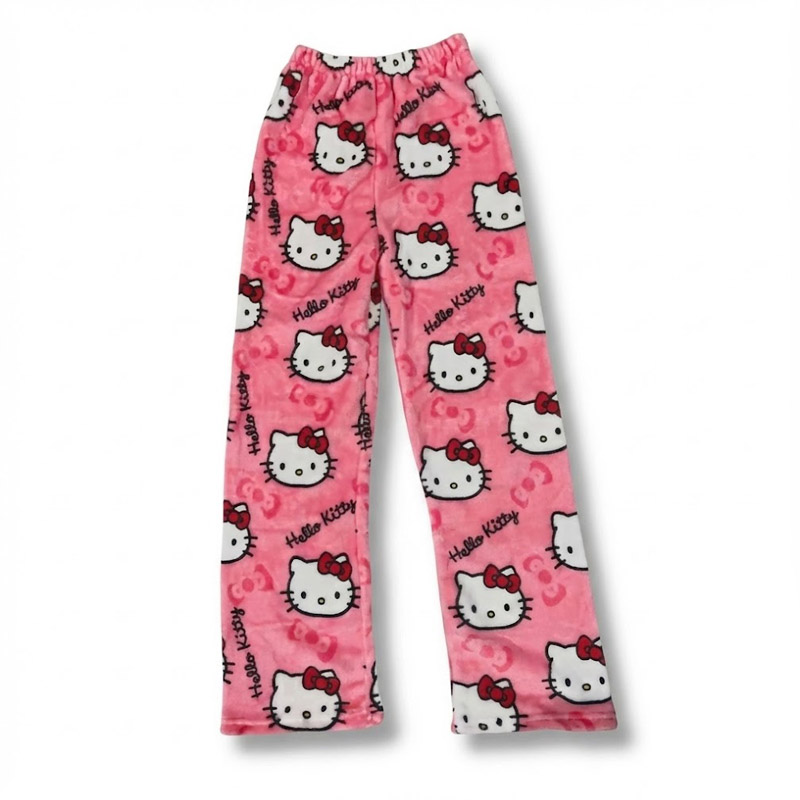
Fleece holds warmth close to the skin, which is exactly what a cold bedroom needs.
Fabrics That Hold Heat and Fabrics That Do Not
What you wear to bed decides how the next eight hours go. The wrong fabric traps moisture against your skin, and moisture is the real enemy of warmth. Damp fabric conducts heat away from your body roughly twenty times faster than dry fabric, which is why a sweaty cotton shirt feels freezing at 4 a.m.
Fleece and Microfleece
Fleece is brushed polyester with air pockets built into the structure. Those pockets trap warmth while the fiber itself moves moisture away from the skin. It is the fabric most people reach for in winter, and it earns the spot. The tradeoff is breathability: heavy fleece on a warm night turns into a sauna. Look for lighter weights if your bedroom runs above 68 degrees.
Flannel
Flannel is woven cotton that has been brushed on one or both sides. It feels soft and warm immediately when you get in, which is a big part of why people love it, and cotton breathes better than polyester. It does absorb moisture though, so if you sleep hot or share a bed with someone who does, flannel can end up damp by morning.
Plush and Fuzzy Fabrics
Plush fabrics, the ones that feel like a stuffed animal, are the warmest option on the shelf. They are usually a polyester pile with a high loft, so they trap a thick layer of warm air. They are excellent for cold rooms, less excellent for anyone who runs warm. If you wake up sweaty in plush, the fabric is not faulty, it is just doing its job too well.
A Layering Formula That Works
The most reliable setup is three thin layers instead of one thick one. Thin layers trap air between them, and you can remove one without waking up fully. Start with a fitted base layer that touches your skin, add a mid layer that insulates, then use bedding as the outer layer you can adjust in your sleep.
In practice that means a light long sleeve under a pajama set, or a pajama top with a robe nearby for the first twenty minutes in bed. On very cold nights, add socks. On mild nights, drop the mid layer and keep the bedding heavier. The point is having options at 2 a.m. without leaving the bed to find them.
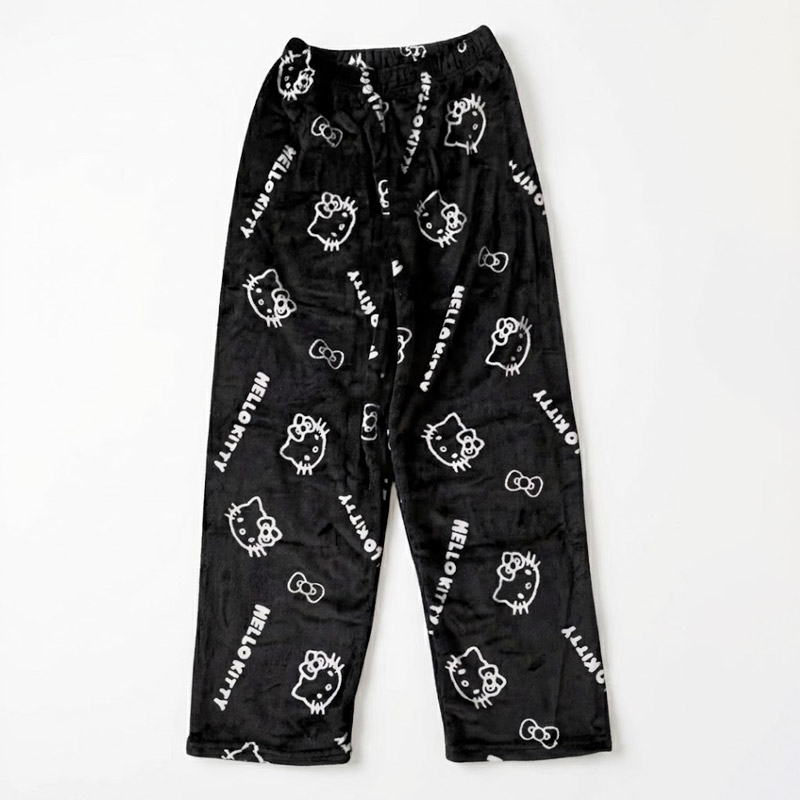
Plush pile traps a thick layer of warm air, ideal for rooms under 65 degrees.
The Overheating Trap Nobody Warns You About
Cold sleepers and hot sleepers need opposite strategies, and couples often share a bed. If one of you sleeps hot, a shared duvet at winter weight guarantees a bad night for at least one person. Two single duvets solve this faster than any thermostat adjustment, and it costs nothing.
Overheating at night has a cost beyond discomfort. When your core temperature climbs, your sleep shifts toward lighter stages and you wake more often, even if you do not remember it. That is why a night spent too warm feels worse than a night spent slightly cold. If you have to choose, err on the cooler side and add a layer you can remove.
Alcohol is another hidden cause. A drink before bed widens blood vessels near the skin, which feels warm for an hour and then dumps heat faster than your body planned.
Small Habits That Add Real Warmth
A warm shower ninety minutes before bed is more useful than a hot water bottle. It pulls blood to the surface, then the subsequent cooling tells your body it is time to sleep. Do not shower immediately before getting in, the drop needs a little time to happen.
Warm your feet before you warm anything else. Socks, a hot water bottle at the foot of the bed, or thirty seconds of movement before getting in all help blood flow return to your extremities. Once your feet are warm, the rest follows.
Products to Check Out
Hello Kitty Fleece Pajama Pants
Brushed fleece that traps warmth without feeling heavy. A solid first layer for a bedroom in the low sixties.
The warmest pair in the rotation. Best for drafty rooms and anyone who runs cold from October through March.
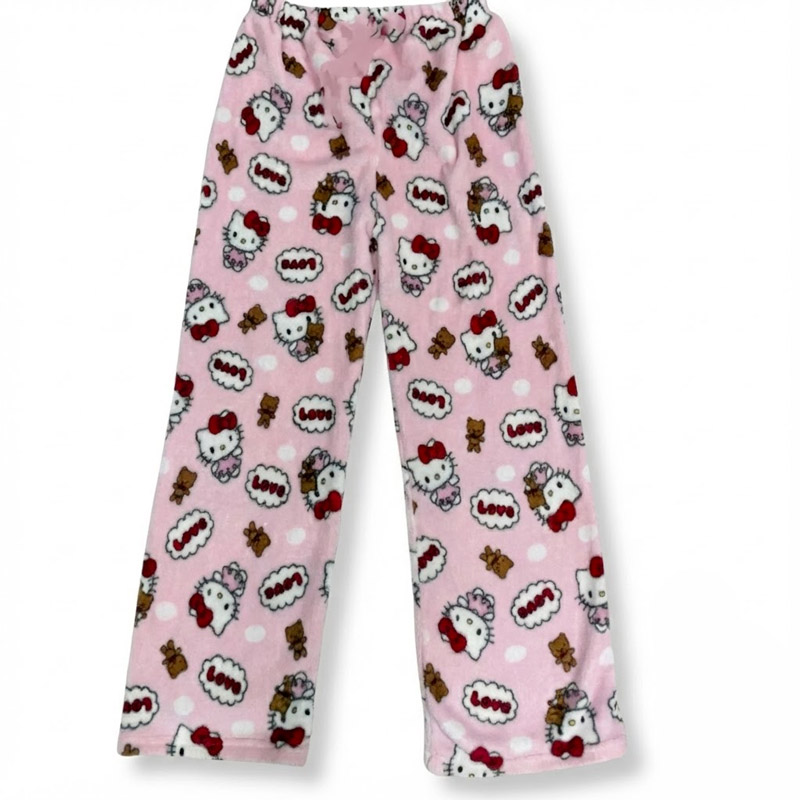
Fluffy Hello Kitty Pajama Pants
A middle weight option for people who want warmth without the full plush pile.
All ship free and come in a range of sizes.
If you are still deciding between fabric types, our breakdown of fleece, flannel, and fuzzy pajama materials goes deeper on weight and breathability. And if your wind down routine needs work as much as your bedding does, this evening self care routine pairs well with a warmer bed.
Frequently Asked Questions
What is the best room temperature for sleeping in winter?
Somewhere between 60 and 68 degrees Fahrenheit works for most people. Below 60 and you spend energy fighting the cold. Above 70 and your body struggles to shed heat, which leads to lighter sleep and more waking. If you share a bed, pick the cooler end of the range and let the person who runs cold add a layer.
Should I wear socks to bed if my feet are always cold?
Yes, as long as they are not tight. Cold feet slow down the heat loss that helps you fall asleep, so warm socks can shorten the time it takes to drift off. Choose breathable cotton or wool rather than thick synthetic socks, which can make your feet sweat and turn cold again later in the night.
Why do I wake up sweaty even when the room is cold?
The usual cause is too much insulation for that stage of the night. Core temperature rises in the early morning, so bedding that felt right at midnight becomes too warm by 5 a.m. Try a lighter mid layer, thinner duvet, or two separate duvets. A late heavy meal or alcohol before bed can also trigger night sweating.
Is fleece or flannel warmer for winter sleep?
Fleece is warmer for the same weight because the brushed polyester traps more air and moves moisture away from the skin. Flannel feels warmer the moment you get in and breathes better, but cotton absorbs moisture. In a very cold room fleece wins. In a mild room with a hot sleeper, flannel is often the better pick.
How many layers should I wear to bed in winter?
Two thin layers beat one thick layer almost every time. A fitted base layer plus a pajama set gives you the option to remove one piece without leaving the bed. Keep a robe or throw within reach for the first twenty minutes, when sheets still feel cold, and you will rarely need to change anything at 3 a.m.