

 Shop
ShopSanrio x Starbucks: What the Collab Teaches Us About Branding
How two iconic brands created magic together and what small brands can learn from it
TL;DR: When Sanrio and Starbucks team up, it is not just cute cups and limited drops. It is a masterclass in how two brands can share audiences without losing their identity. Here is what actually happened with their collab and why it matters if you care about branding, even on a small scale.
If you have been anywhere near social media in the last few years, you have probably seen those Sanrio x Starbucks cups. The ones with Hello Kitty sipping a Frappuccino. The ones that sold out in hours. The ones that people were reselling for three times the price on eBay.
But here is the thing most people miss about this collaboration. It was not just about putting a cute character on a coffee cup. It was a carefully engineered brand partnership that told us a lot about how modern branding actually works.
The Story Behind the Collab
Sanrio and Starbucks first joined forces in the early 2020s, primarily in Asian markets where both brands already had massive followings. Hello Kitty appeared on tumblers, mugs, and even seasonal drink menus. The designs leaned into Sanrio’s signature pastel palette while keeping Starbucks’ green branding visible enough to feel authentic.
What made it different from every other licensing deal? Both brands gave something real. Sanrio brought its cult following of collectors and kawaii enthusiasts. Starbucks brought its global retail footprint and the ritual of daily coffee runs. Neither brand was just slapping their logo on the other’s product and calling it a day.
The result was products that felt collectible, not promotional. And that distinction is everything.
Why It Worked: Three Branding Lessons
Lesson 1: Shared values beat random pairings. Sanrio and Starbucks both understand the power of emotional connection. Sanrio characters make people feel something. Starbucks’ coffee rituals do the same. When two brands share that emotional core, a collab feels natural instead of forced. Compare that to random mashups where one brand has zero connection to the other’s audience. Those always feel hollow.
Lesson 2: Scarcity creates demand, but only if the product is good. Limited edition drops work because people fear missing out. But the Sanrio x Starbucks items were actually well designed. The tumblers were sturdy. The artwork was detailed. The packaging felt premium. If the product itself had been mediocre, the scarcity would not have mattered. People would have skipped the FOMO entirely.
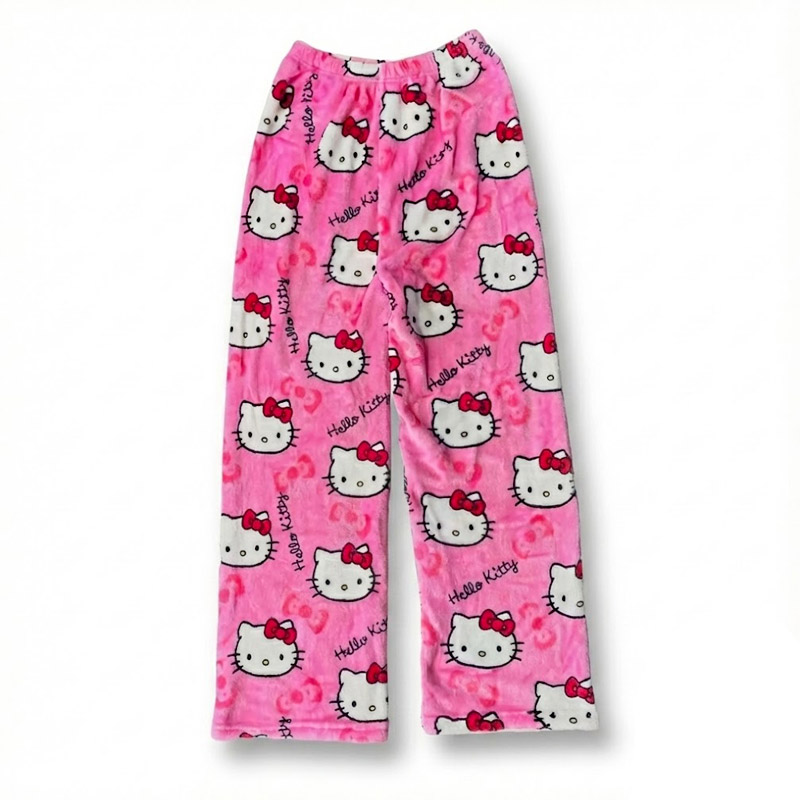
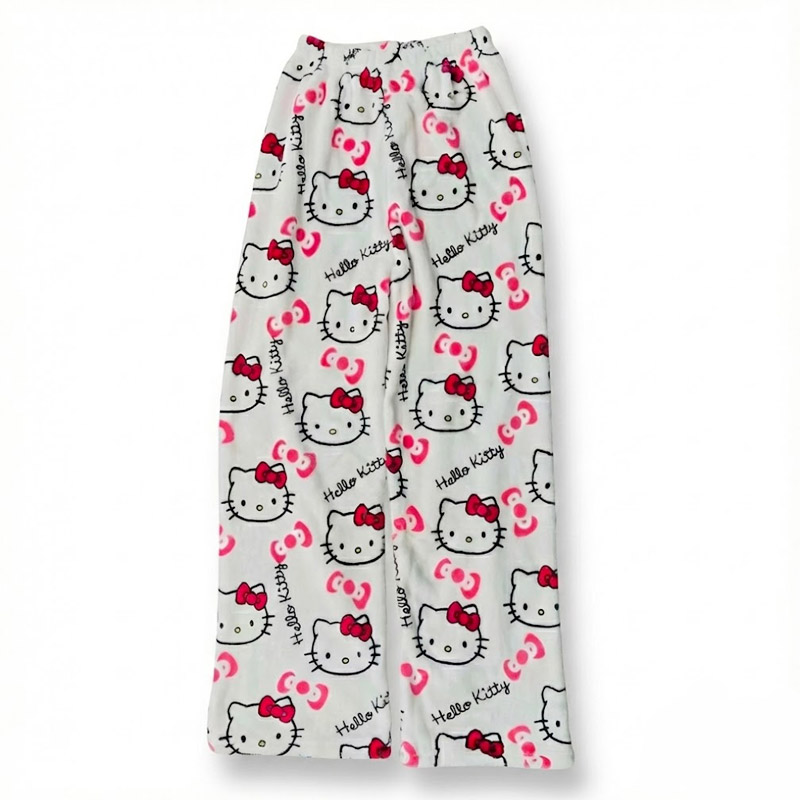
Think about the best Hello Kitty pajama pants you can find. The quality of the material and the print is what keeps people coming back. The cute design gets their attention, but the comfort makes them stay.
Lesson 3: The audience should feel like they discovered it, not like it was marketed to them. Sanrio x Starbucks spread through social media because fans genuinely loved sharing their finds. There was no massive ad campaign. The products sold themselves because the community wanted them. That is the holy grail of branding: when your customers become your marketing team.
This is exactly what Sanrio has been doing for decades. If you want to understand how they built that kind of loyalty, check out our deep dive on Hello Kitty’s history and what makes her so iconic.
What Small Brands Can Steal From This
You do not need a Starbucks-sized budget to apply these lessons. Here is what actually translates to smaller brands:
Collaborate with brands your audience already loves. If you sell kawaii products, partner with a local coffee shop, a small candle maker, or another indie brand that shares your aesthetic. The collab does not need to be massive. It just needs to make sense to the people who already follow you.
Make the product worth sharing. Limited runs work best when the item is genuinely good. A well-made tumbler with a beautiful design will get photographed and posted. A cheap knockoff will not. Quality is the foundation of organic marketing.
Let the community lead. Do not over-script your marketing. Create the product, share it with your core audience, and let them run with it. User-generated content is more trustworthy than any ad you could write.
Speaking of Sanrio’s evolution as a brand, we wrote about where Sanrio is headed next and how they keep reinventing themselves after five decades.
Quick Takeaway
The Sanrio x Starbucks collab worked because both brands understood their audience, delivered quality products, and let the community do the talking. You can apply the same principles, whether you are running a global franchise or a one-person Etsy shop.
Products to Check Out
If the Sanrio aesthetic speaks to you and you want something you can actually use every day, these are worth a look:
FAQ
What was the Sanrio x Starbucks collaboration?
It was a limited-edition partnership between Sanrio (the company behind Hello Kitty) and Starbucks. They released branded tumblers, mugs, and themed drinks featuring Sanrio characters, primarily in Asian markets with some global availability.
Are Sanrio x Starbucks items still available?
Most official items from the collaboration sold out quickly and are no longer available through Starbucks. You may find them on resale platforms, but prices are typically marked up significantly.
Why do Sanrio collaborations sell out so fast?
Sanrio has one of the most dedicated fan communities in the world. Combined with limited-edition drops and the emotional connection people have with characters like Hello Kitty, demand consistently outpaces supply.
How can small brands learn from this collab?
Focus on partnering with brands that share your audience’s values. Create products worth sharing, not just selling. And trust your community to spread the word organically when they genuinely love what you have made.
What makes Sanrio’s branding strategy so effective?
Sanrio focuses on emotional connection over product features. Their characters are designed to evoke specific feelings, and every collaboration reinforces that emotional core. They also maintain strict quality control, which keeps the brand premium even in mass-market partnerships.